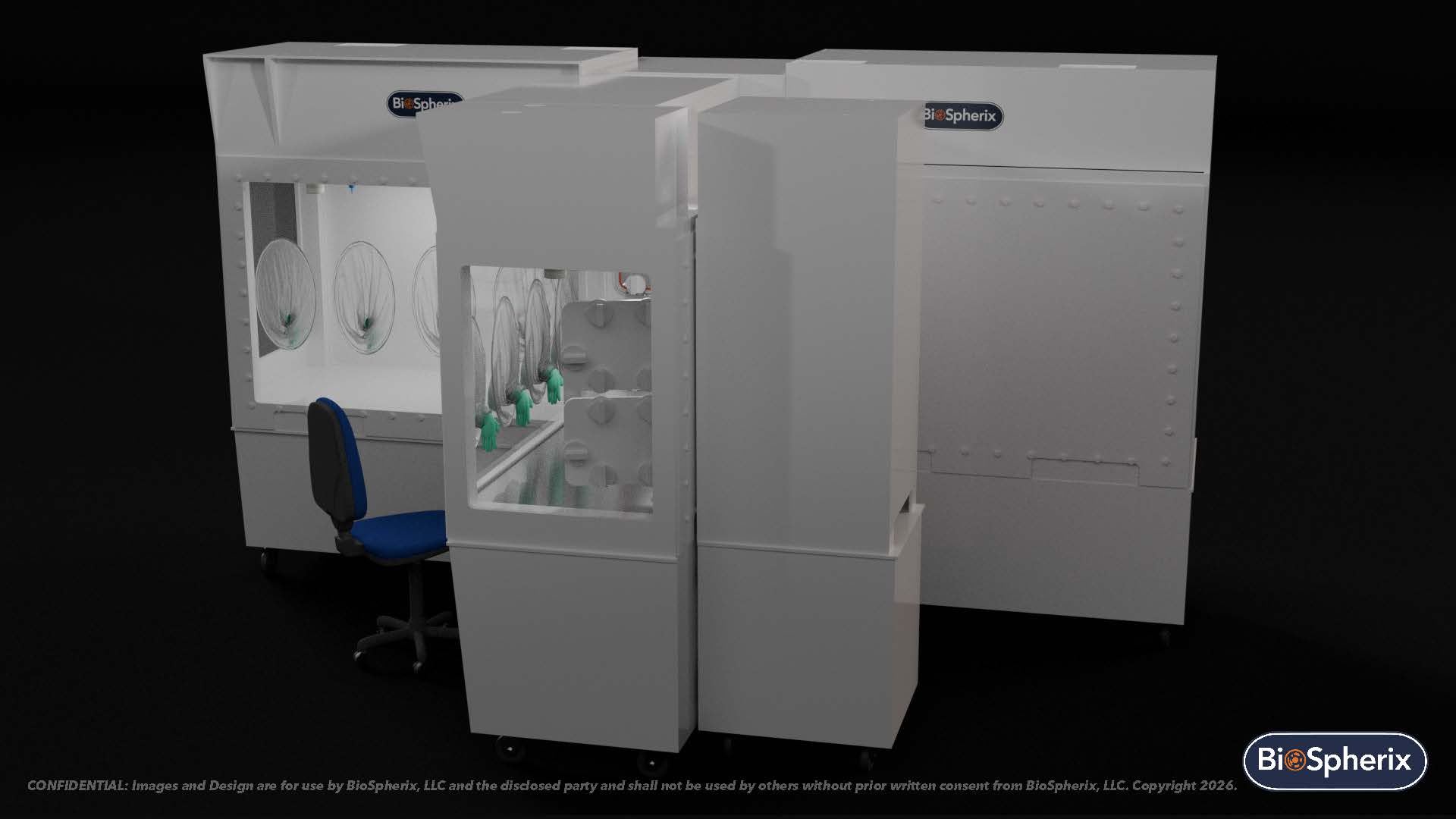
Dry Eye System

Rapid and Precise RH Control
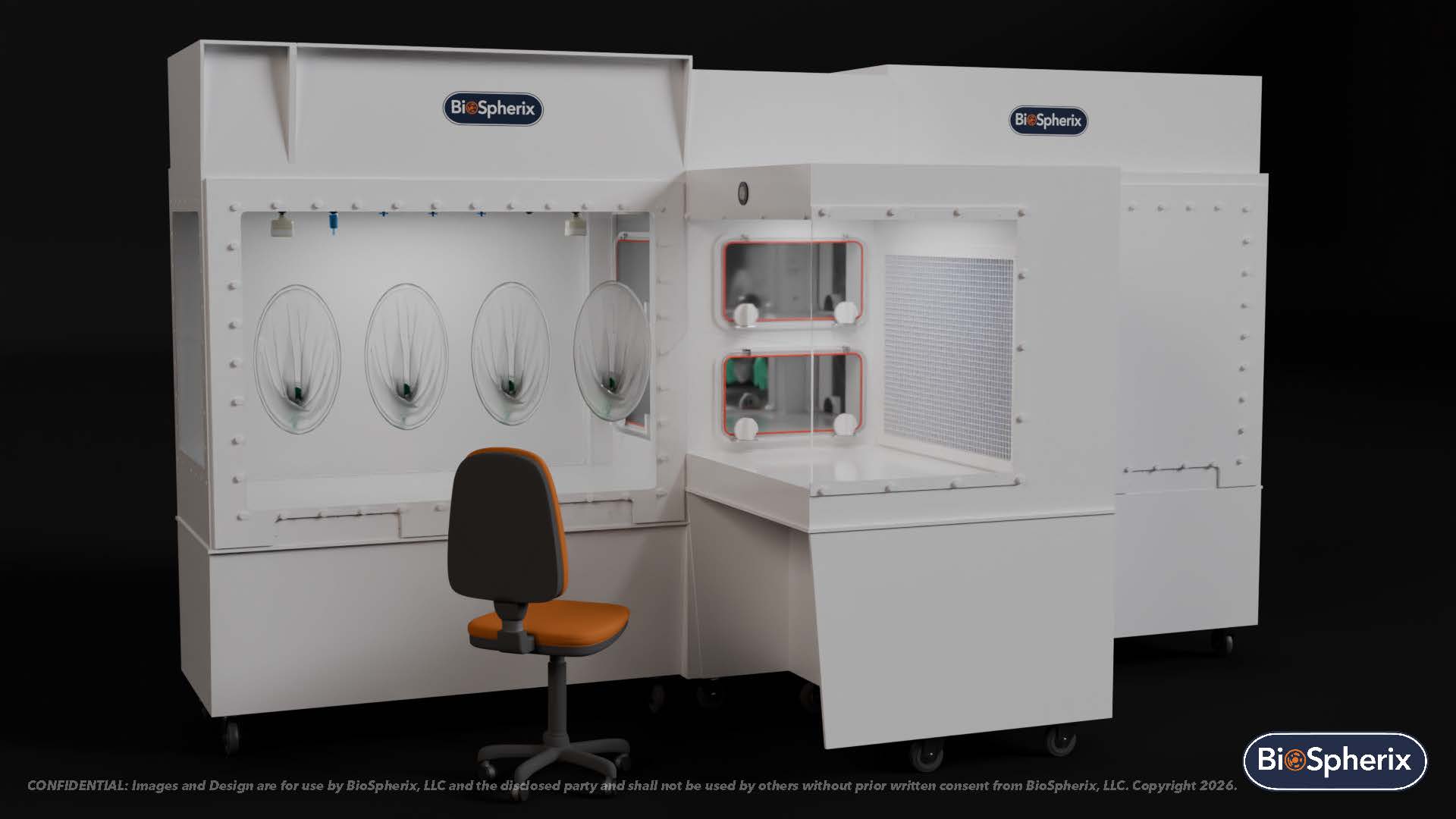
Our system enables precise control of relative humidity from 40% down to 15% (depending on ambient conditions), rapidly transitioning to target levels to minimize the time spent outside controlled environments. This tighter RH control improves data fidelity and reduces artifacts caused by environmental fluctuations.

Spacious and Adaptable Design
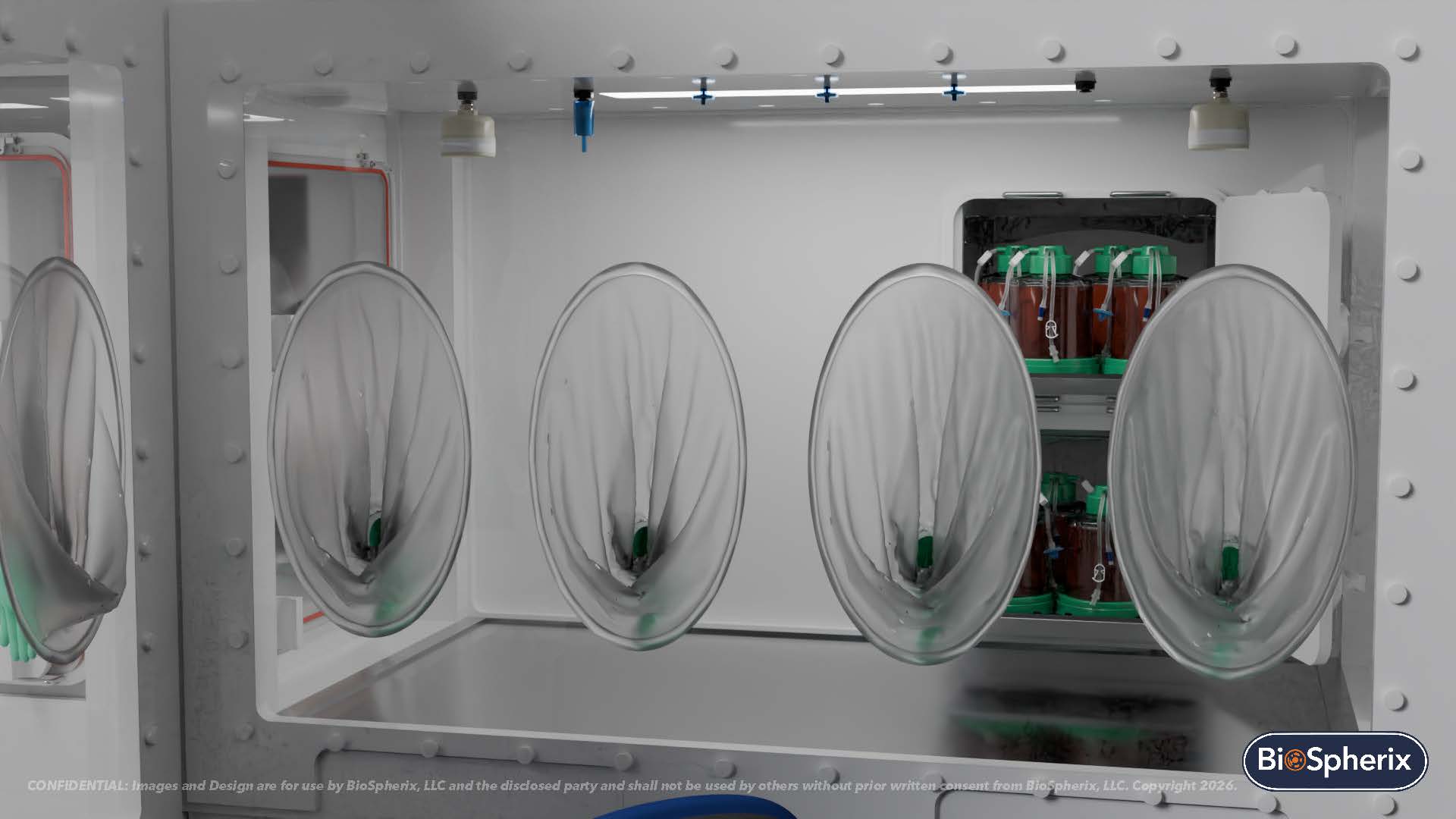
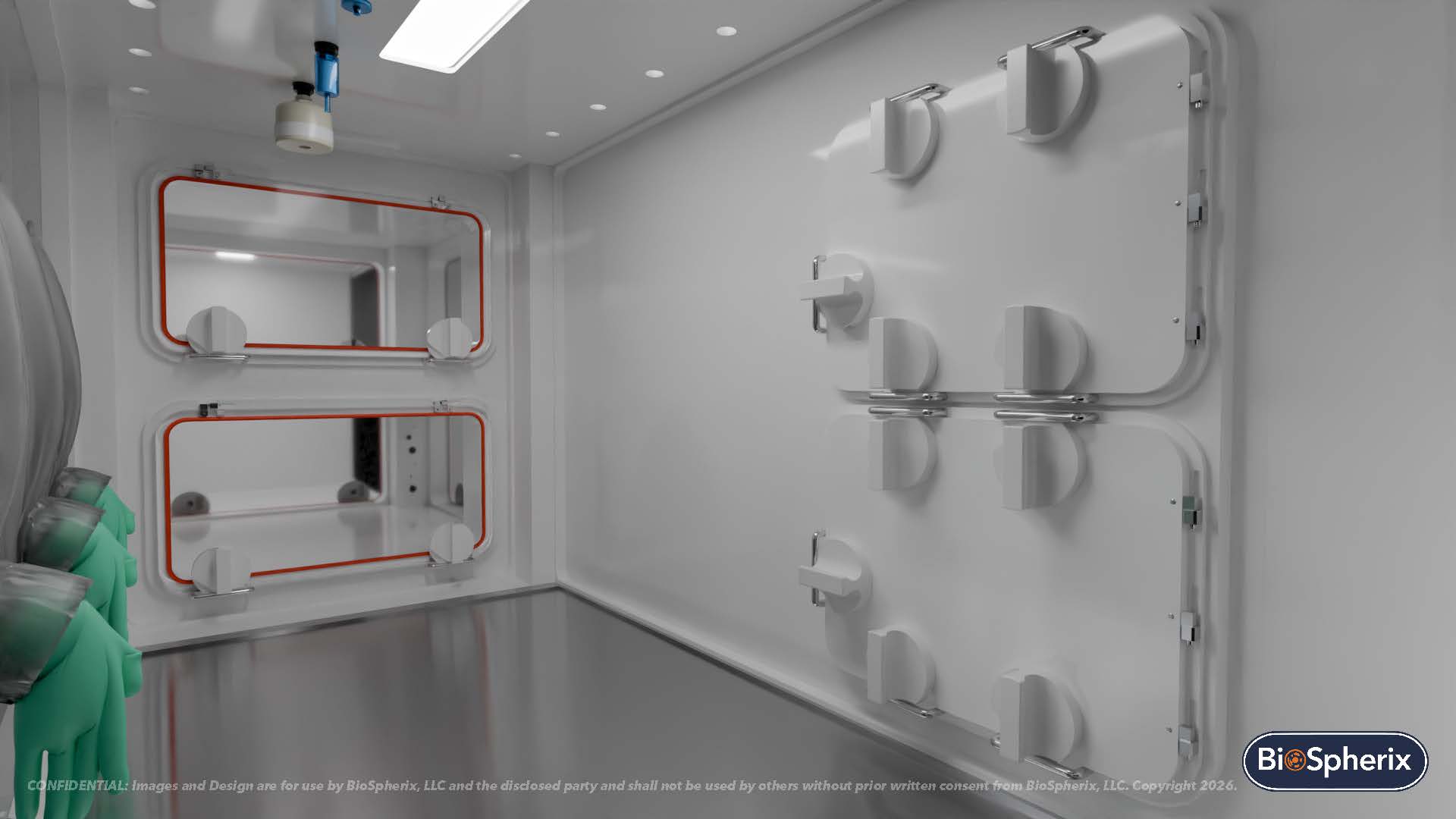
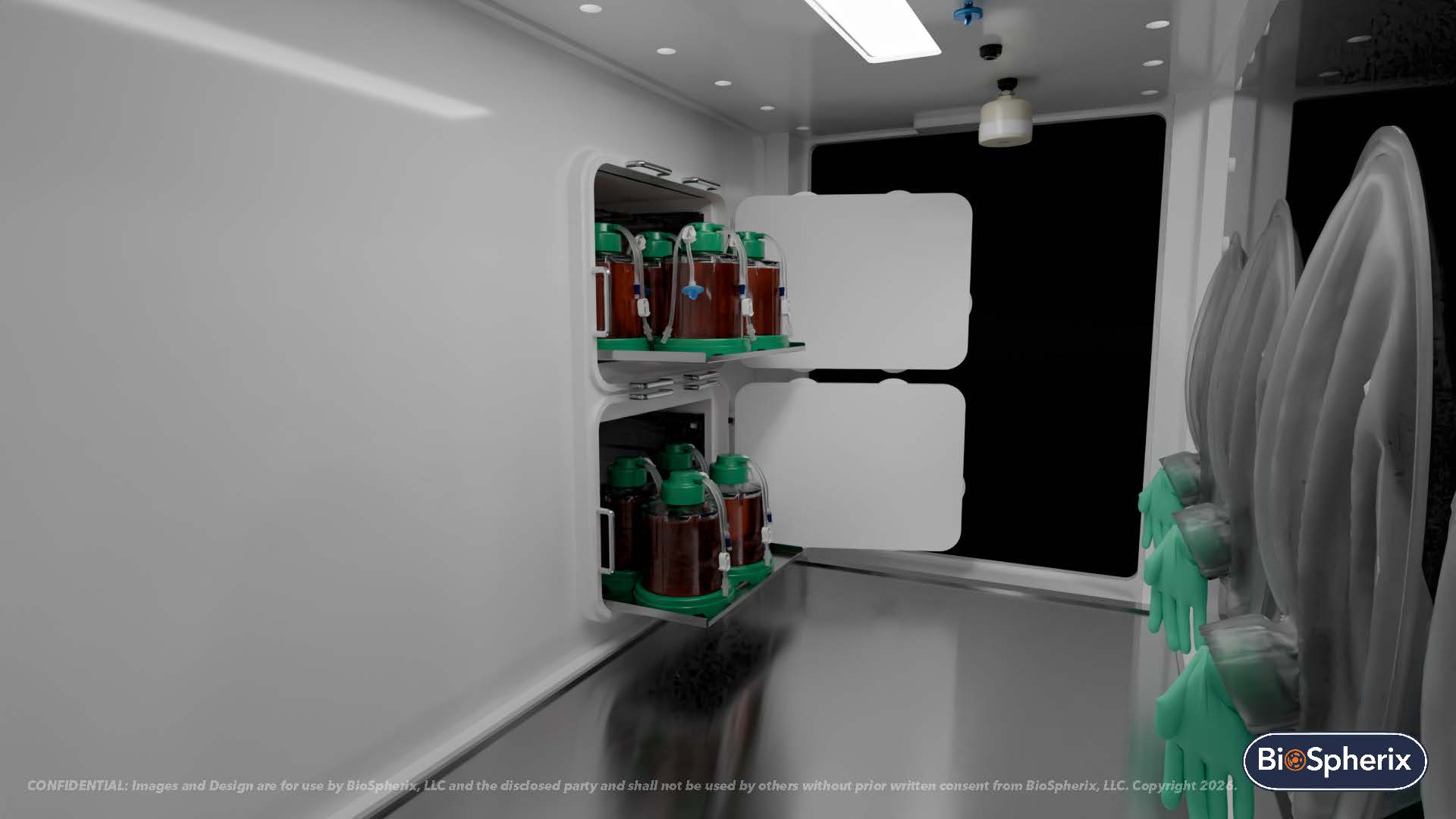
Multiple chamber size options (66, 30, and 15-inch) allow flexibility to fit a range of lab spaces, with the 66-inch chamber accommodating up to 14 standard rodent cages. Large doors enable fast, simultaneous access, and a retrofit kit is available to upgrade existing BioSpherix animal chambers.

Supports Ethical in vivo Studies
Designed to support ethical, humane, and efficient in vivo studies, the system defaults to room air as a safeguard to help protect subjects. Its quiet operation further minimizes stress, helping maintain stable conditions and more reliable study outcomes.
Use this form to order replacement pods and sensors for your controller
Reach out to our qualified sales team for a personalized quote
Supporting Data
We’ve partnered with reputable Contract Research Organizations to validate in vivo studies that utilize our Dry Eye System.
2 A reduction in tear volume was observed in the dry-eye induced group relative to baseline and naïve controls.
3. Dry eye chamber maintained consistently lower, stable humidity levels compared to ambient conditions.
4. Proteomic analysis revealed several up- and down-regulated proteins corresponding to molecular changes induced by the Dry Eye System.

Click the poster to download